PECB Certified EBIOS Risk Manager (EN)
Develop the necessary skills to perform risk assessment using the EBIOS Method
Certification exam: Included (12 months eligibility) + retake option |
Develop the necessary skills to perform risk assessment using the EBIOS Method
Certification exam: Included (12 months eligibility) + retake option |
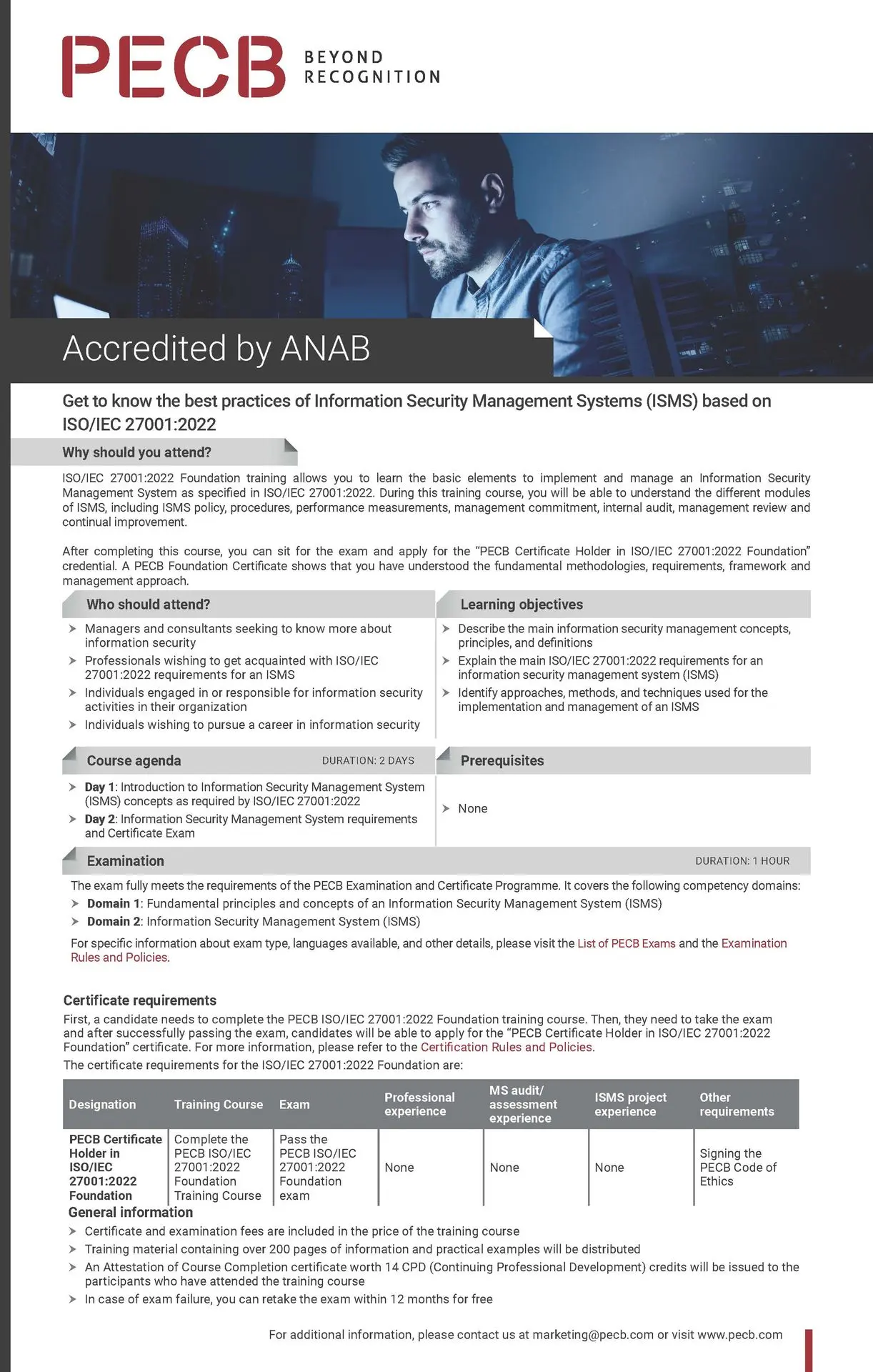
If you want to learn more about the training, check out the official training brochure!
EBIOS Risk Manager training course enables you to gain the necessary knowledge and develop the necessary competence to master risk management concepts and components related to all assets of relevance for Information Security based on the EBIOS method.
Based on practical exercises and case studies, you will have the opportunity to acquire the necessary skills to perform an optimal Information Security risk assessment and timely risk management by being familiar with its life cycle. This training fits perfectly in the framework of the ISO/IEC 27001 standard implementation process.
After mastering all the necessary concepts of risk assessment using the EBIOS method, you can sit for the exam and apply for a “PECB Certificate Holder in EBIOS Risk Manager” certificate. By holding a PECB Risk Manager Certificate, you will be able to demonstrate that you have the practical knowledge and professional capabilities to support an organization in performing risk assessment based on the EBIOS method.
This training course is intended for:
Module 1
Module 2
Certification Exam
After completing this training course, you will be able to:
The “PECB EBIOS Risk Manager” exam fully meets the requirements of the PECB Examination and Certification Programme (ECP). The exam covers the following competency domains:
Duration: 3 hours
Location: Online through the PECB app OR in person in one of the PECB exam centers
Preparation: PECB Exam Preparation Guides
Language: The exam is available in multiple other languages and does not need to be taken in the same language as the training material. Additional time can be requested when your native language is not available in your mother tongue (to be requested by candidates on the exam day)
Retake: In case you fail the exam, you can retake it within 12 months following the initial attempt for free
For specific information about the exam type, languages available, and other details, please visit the List of PECB Exams and the Examination Rules and Policies.
After successfully completing the exam, you can apply for the credential shown on the table below.
The certificate requirements for the EBIOS Risk Manager are:
| Credential | Exam | Risk Management experience | Other requirements |
| PECB Certified EBIOS Provisional Risk Manager | PECB Certified EBIOS Risk Manager exam or equivalent | None | Signing the PECB Code of Ethics |
| PECB Certified EBIOS Risk Manager Confirmed | PECB Certified EBIOS Risk Manager exam or equivalent | • Follow an EBIOS Risk Manager training or have relevant professional experience of at least 2 years; and • Have followed a significant part of the EBIOS method in real conditions at least one in the three years preceding the certification request | Signing the PECB Code of Ethics |
To be considered valid, these risk assessment activities should follow best implementation practices and include the following:
Note: For more information about the PECB Certification process, please refer to Certification Rules and Policies.
Contact us on [email protected] if you have other questions
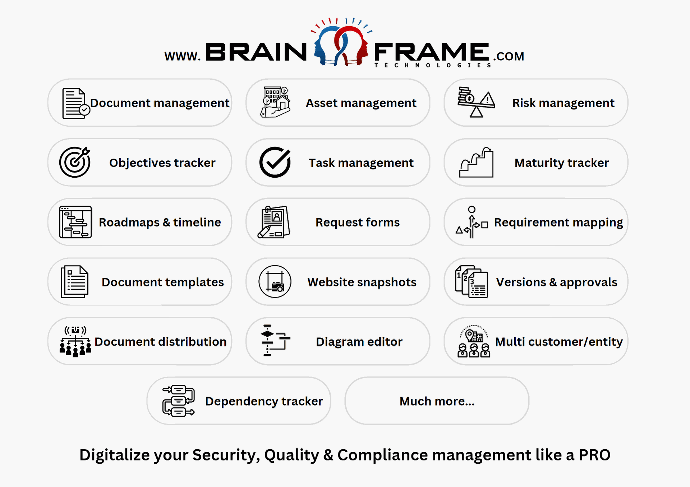
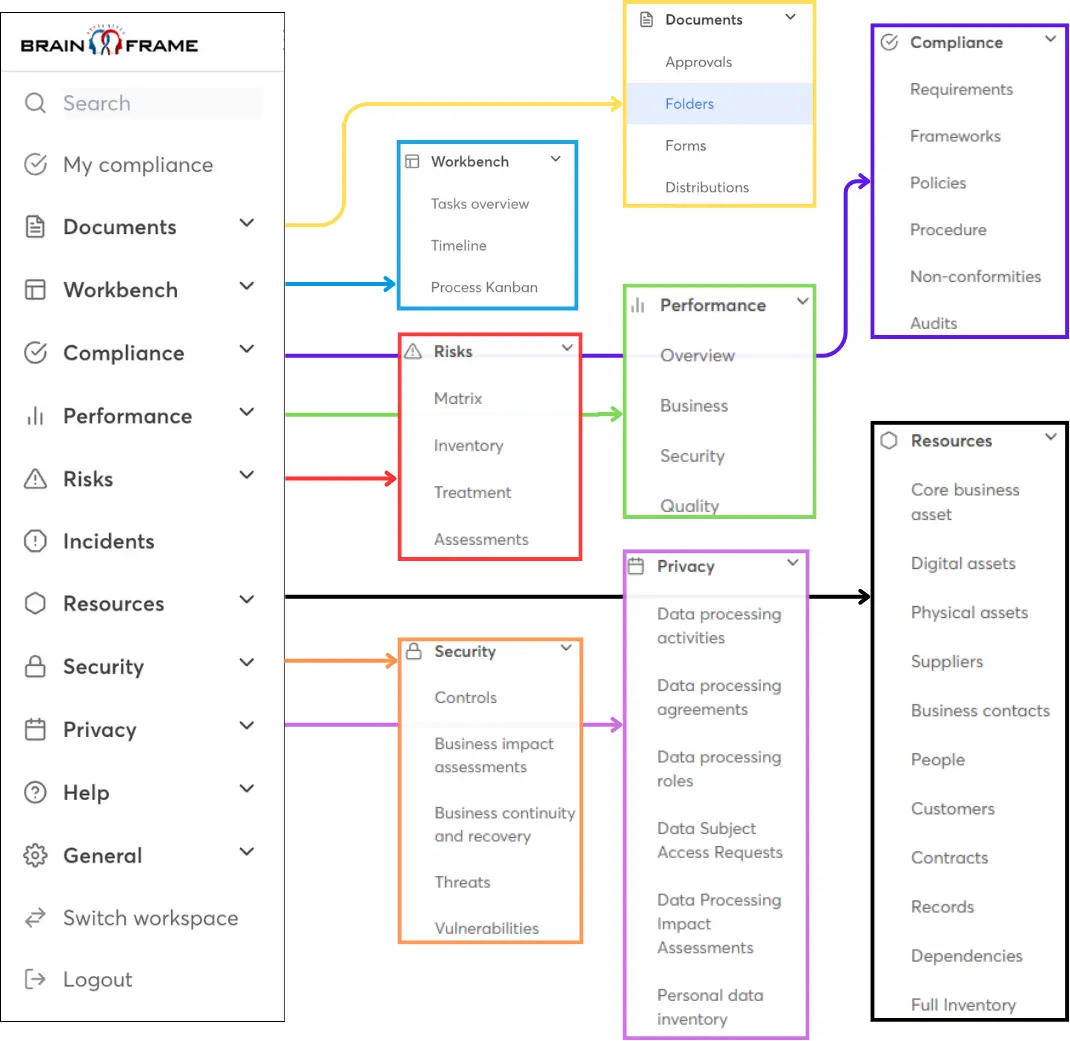
Streamline your GRC work using our all-in-one management solution and get access to our network of local specialists
Check our PECB frequently asked question (FAQ) page or contact us with the form below:

Be the first to find out all the latest news,
products, and resources we are sharing.
By subscribing, you agree to receive occasional news and updates from us. We will process your personal data in accordance with our Privacy Policy
Thanks for registering!
Allow the use of cookies from this website on this browser?
We use cookies to provide improved experience on this website. You can learn more about our cookies and how we use them in our Cookie Policy.